
Make your money work, without the paperwork
Key Steps in Portfolio Construction

Key Steps in Portfolio Construction
Developing an investment portfolio starts with identifying your financial goals and the timeframe in which you hope to achieve them. Whether you are saving for education, planning to purchase property or preparing for retirement, these priorities help shape the way investment options are assessed.
Your financial position and ability to tolerate investment risk are also important considerations. Understanding how much uncertainty you can financially and emotionally manage can help inform decisions about the types of assets held and the balance between potential growth and possible losses.

Asset Allocation
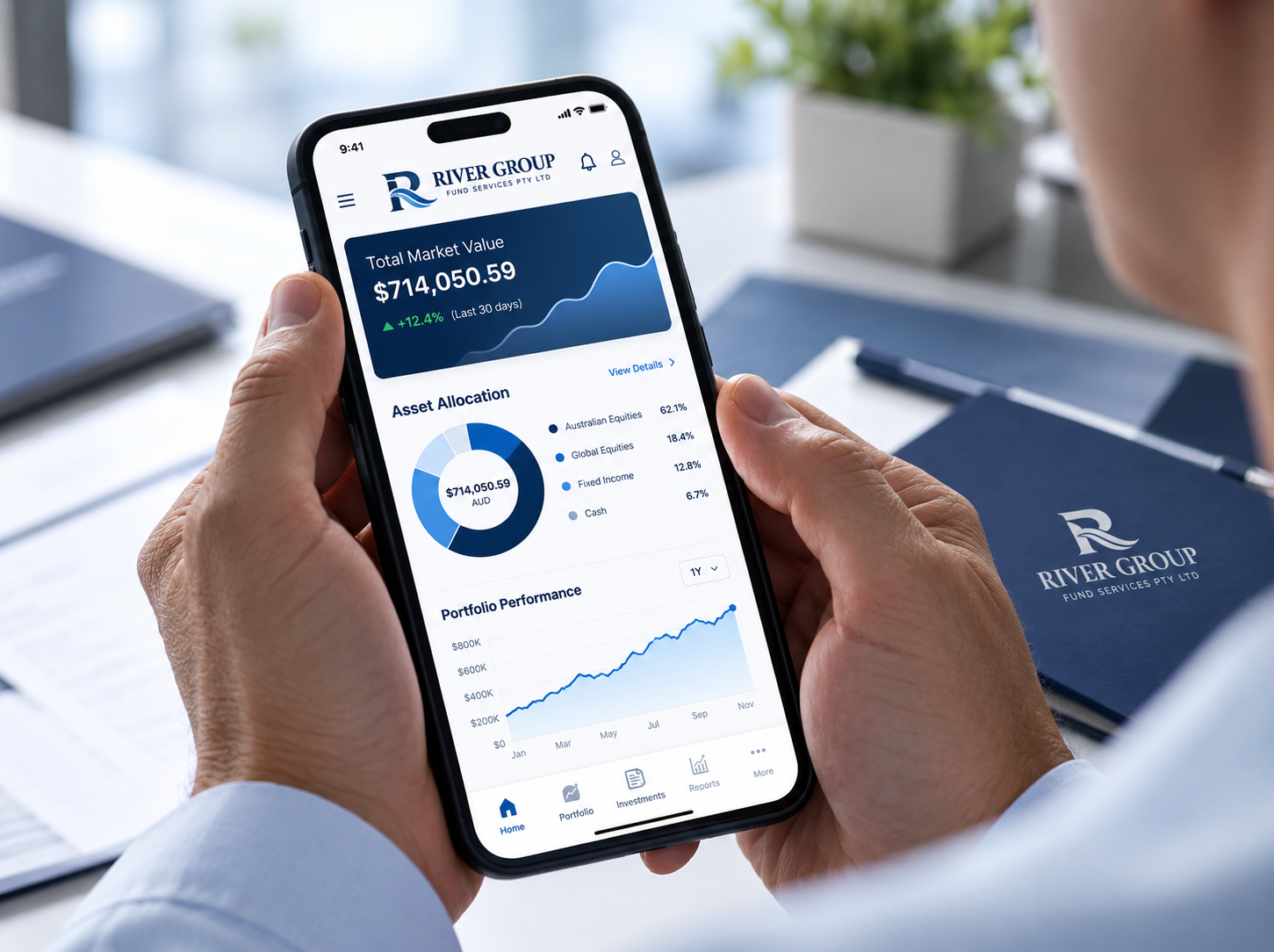
Asset allocation involves deciding how investments are distributed across different asset classes, such as shares, fixed income, cash and property-related investments. The appropriate mix depends on factors including your objectives, investment timeframe, financial circumstances and tolerance for risk.
Different asset classes can behave differently as economic conditions and markets change. Reviewing their characteristics and how they may work together can help investors build a portfolio aligned with their intended outcomes. No allocation can guarantee a particular return or prevent losses in all market conditions.
Diversification
Diversification means spreading investments across different assets, sectors, markets or investment types rather than concentrating exposure in one area. The aim is to reduce reliance on any single investment or source of return.
A diversified portfolio may respond differently to changing market conditions because its holdings do not always perform in the same way. However, diversification cannot eliminate investment risk or guarantee that losses will be avoided. The level of diversification should reflect the investor’s objectives, circumstances and overall strategy.

Risk and Return
Risk and potential return are closely connected in investing. Investments offering the possibility of higher returns often involve greater uncertainty, price fluctuations or the potential for capital loss. Investments with comparatively lower levels of risk may offer more limited growth potential, although outcomes can never be assured.
When considering an investment portfolio, it is important to understand the risks associated with individual assets and how those risks may affect the portfolio as a whole. Investment decisions should take account of financial goals, time horizon, liquidity needs and capacity to withstand losses.
River Group Fund Services Pty Ltd encourages a considered approach to understanding investment options, risks and relevant information before making financial decisions.